

The vast majority of the world wants to do good. If all it took was to tap into this goodwill, running a successful and impactful non-profit would be a simple task.
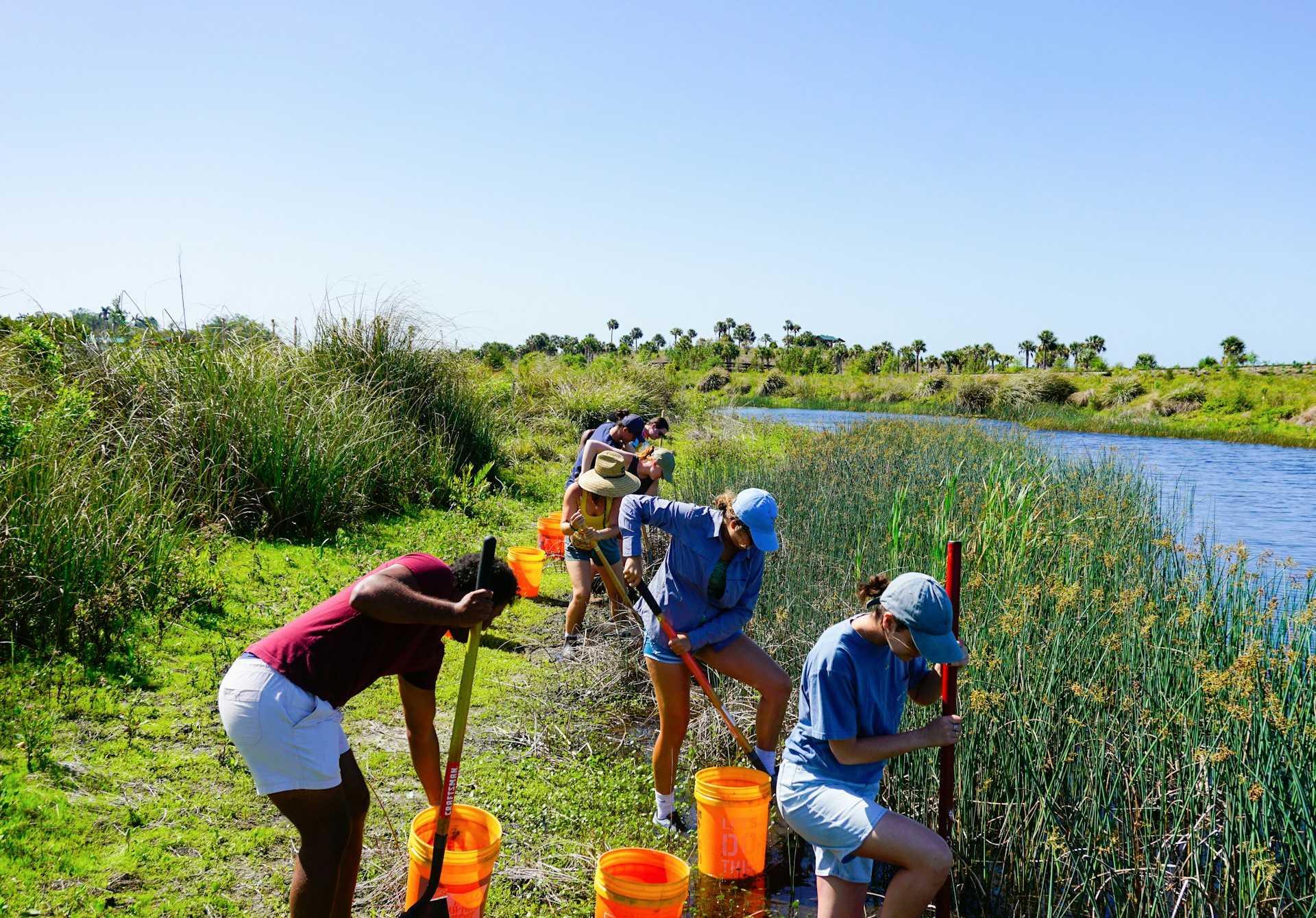
Take corporate volunteering, for example. Getting a team of employees together to do some work for a non-profit seems like an automatic win-win situation. They want to do good, and the non-profit – and their community - benefit for free.
Of course, many non-profits know that it’s not that simple. Without properly planning events, corporate volunteering can quietly stretch a non-profit’s already limited resources. Staff time is diverted, normal operations are disrupted, and the long-term value is sometimes unclear. When events are approached reactively or designed primarily around volunteer expectations, the impact can be superficial and the cost disproportionately high.
By contrast, well-planned hands-on volunteering events can become a strategic asset. When designed with intent, they support core organisational priorities, strengthen long-term corporate relationships, and generate value that extends well beyond a single day.
This article focuses on how non-profits can plan and develop such events — with sustainability, connection, and clear, long-lasting impact at their core.
1. Start with Organisational Value, Not Volunteer Availability
Planning should begin with the organisation’s needs, not the availability or preferences of volunteers. A common pitfall is to reverse this logic, creating activities primarily because they are easy to offer or attractive to corporate teams.
When volunteering is driven by convenience rather than necessity, it often results in work that feels disconnected from the organisation’s real priorities. Volunteers may enjoy the day, but staff are left wondering whether the effort was justified.
Instead, effective planning starts by identifying work that genuinely matters — tasks that contribute directly to your mission and would still be worth doing without an audience. This reframing positions volunteering as a form of operational support, not an add-on.
At the planning stage, it helps to test potential activities against a small set of value-based questions:
- Does this work meaningfully support our mission or programmes?
- Is it something we would otherwise struggle to prioritise?
- Can it be completed to a useful standard within the time available?
- Will the outcome still matter a month from now?
If an activity cannot answer these questions clearly, it is unlikely to deliver sufficient organisational value.
2. Design for Repeatability, Not One-Off Experiences
One of the biggest drains on non-profit capacity is treating each corporate volunteering day as a bespoke project. While custom-designed events can feel responsive, they require repeated planning, explanation, and coordination — often with diminishing returns.
A more sustainable approach is to invest upfront in designing volunteering activities that are repeatable. These are formats that can be delivered multiple times with minimal adjustment, using the same core structure and materials.
Repeatability allows organisations to improve quality over time, reduce staff effort, and host volunteering days with greater confidence. It also creates internal clarity: staff know what is involved, what success looks like, and how much time it requires.
When developing repeatable formats, consider whether the activity:
- Can be delivered to different teams with little redesign
- Has a clear scope and outcome each time
- Requires a predictable level of staff involvement
- Can be explained consistently to different partners
From a corporate perspective, repeatable formats often feel more professional and reliable. What they lose in novelty, they gain in credibility.
3. Protect Your Organisation’s Capacity by Design
Non-profits often underestimate the true cost of hosting corporate volunteering. Beyond the visible planning and supervision, there is preparation, coordination, disruption to normal work, and follow-up afterwards.
Protecting organisational capacity is not about being unwelcoming; it is about being realistic. This starts by acknowledging internal limits and building them into the design of the volunteering offer.
Clear boundaries help prevent overextension and reduce the risk of burnout. They also create better experiences for volunteers, who benefit from well-supported and well-paced activities.
When planning your volunteering programme, it is important to define constraints such as:
- The maximum number of volunteers you can host effectively
- How frequently you can run hands-on events without strain
- The level of staff time you can reasonably commit
- Activities that are out of scope for volunteering
Being explicit about these limits early on sets expectations and supports more sustainable partnerships.
4. Choose Corporate Partners with Intention
Not every company is equally suited to hands-on volunteering, and not every request deserves the same level of investment. Planning becomes far more effective when non-profits are intentional about which corporate relationships they prioritise.
Rather than treating volunteering as an open-door offer, consider it a partnership opportunity that requires mutual fit. Companies that approach volunteering thoughtfully, respect your processes, and show interest in longer-term engagement are far more likely to deliver value over time.
Hands-on volunteering works best when it is part of an ongoing relationship, not a one-off transaction. This perspective influences how much energy is worth investing at the planning stage.
When assessing potential partners, it can be helpful to consider:
- Whether the company has a clear CSR or HR owner
- If there is interest in repeat or deeper engagement
- How well their culture aligns with your organisation’s values
- Whether they are willing to work within your constraints
Fewer, stronger partnerships almost always outperform a high volume of ad hoc volunteering days.
5. Design the Event to Build Connection, Not Just Complete Tasks
While hands-on volunteering is task-based by nature, its longer-term value lies in the connection volunteers form with your organisation. This connection does not happen automatically through physical work alone.
During planning, it is worth thinking deliberately about how volunteers will understand the purpose of their contribution. Even minimal context can significantly deepen engagement, helping people see beyond the task to the broader impact.
Connection is built when volunteers understand how their work fits into a wider programme and when they are trusted with an honest picture of your organisation’s reality.
When designing the experience, consider how you might:
- Explain why this task matters within your broader work
- Share what happens before and after the volunteering day
- Communicate challenges as well as successes
- Help volunteers see themselves as part of a longer journey
These elements do not need to dominate the day, but they should be intentional rather than incidental.
6. Define Success Before the Event Takes Place
Without a clear definition of success, it is difficult to judge whether a volunteering event was worth the investment. Too often, success is measured informally or retrospectively, based on whether the day “felt good”.
Strategic planning requires a clearer view. Success should be defined primarily from the non-profit’s perspective and linked to organisational priorities rather than volunteer satisfaction alone.
This definition helps shape the design of the event and supports more honest evaluation afterwards.
Before the event, take time to clarify what success would look like, for example:
- A specific piece of work completed to a useful standard
- Measurable staff time saved later
- A strengthened relationship with a corporate partner
- Increased understanding of your mission among participants
- Content captured for future communications or reporting
Clear success criteria make it easier to refine your approach and decide which events to repeat.
7. Plan the Event as a Milestone in a Longer Relationship
Hands-on volunteering should rarely be planned as a standalone activity. Instead, it is most effective when treated as one step in a broader engagement journey with a corporate partner.
This does not mean forcing outcomes or commitments on the day. Rather, it involves planning with a sense of continuity and intention.
Considering the longer relationship during the planning phase helps ensure that follow-up is relevant and proportionate.
Questions worth considering include:
- What might be a natural next step after this event?
- Is there potential for repeat volunteering or skills-based support?
- Who within the company should remain the main point of contact?
- How will we follow up without being transactional?
When volunteering is positioned as a milestone rather than an endpoint, relationships are more likely to develop organically.
8. Use the Event Strategically for Future Communications
A well-planned volunteering event can also support your organisation’s communications and storytelling — provided this is handled thoughtfully.
Rather than treating content capture as an afterthought, it is far more effective to consider communications value during the planning stage. This ensures that consent, tone, and purpose are clear from the outset.
Hands-on volunteering events can provide credible, authentic material for a wide range of uses.
When planning, think about how the event could support:
- Impact reporting and annual reviews
- Funding or grant applications
- Corporate partnership proposals
- Website case studies or newsletters
- Social media and supporter communications
When coordinated respectfully with corporate partners, shared communications can reinforce the partnership while keeping your mission firmly at the centre.
9. Build Reflection and Learning into Your Planning Cycle
Finally, planning should be seen as a continuous cycle rather than a one-off task. Each volunteering event provides insights that can inform future decisions and improve sustainability.
Taking time to reflect internally allows organisations to identify which activities are worth repeating and which should be refined or retired.
After each event, it is valuable to reflect on:
- Whether the organisational value justified the effort
- How staff capacity was affected
- The quality of engagement with the corporate partner
- What could be improved next time
Over time, this learning compounds, leading to clearer offers, stronger partnerships, and lower resource drain.
Closing Thoughts
Let’s be clear: corporate volunteering does have the potential to be incredibly rewarding for non-profits. But hands-on volunteering events are most effective when they are planned as part of a broader system, not treated as isolated acts of goodwill.
For non-profits, the goal is not to host more volunteering days, but to host better ones — events that protect organisational capacity, build meaningful corporate relationships, and contribute directly to mission delivery.
With intentional planning, clear boundaries, and a focus on long-term value, hands-on volunteering can become a sustainable and impactful part of how non-profits engage with corporate partners.